Sunday, February 2, 2025

Genre choices

  For our film opening, our group discussed two main genres comedy and horror. We believed these would be the most fun to do.

One of the genres my group is deciding on is comedy. We feel this genre best describes our personalities and we can have a lot of fun and laughter out of it. From my research on this topic, I learned many new things. Comedy films typically have an uplifting/happy mood, exaggerated statements, and a humorous approach. A great example of this is "Rush Hour"- (1998)


 Rush Hour is a comedy film filled with action, this film is a great mix of both. Since we are focussing on the comedic aspect, this film uses many great techniques to portray humor and joy. Techniques such as fast-paced dialogue, because of Carter's constant talking and Lee's English restrictions it is very funny when they try to communicate. We see this in a popular part of the film where Carter says, "Do you understand the words that are coming out of my mouth?" to Lee. Another tactic the film uses to convey humor is physical comedy. Physical comedy is a form of comedy that you can see rather than hear, such as slapstick or clumsy action and embarrassing events.

 This is a great genre for me and my group to have fun while actively completing the project.


  Another genre my group has been thinking of is Horror. Although this genre is slightly outside of my comfort zone, I felt it would be cool to learn more about the genre. This is what I did and during my research, I learned the main way that horror films scare you is to immerse you into the film. Horror films also like to add suspense and tension. Ways that suspense and tension are achieved, by having eerie music playing in the background, slow camera movement, sudden sounds, and long pauses in sound. 

"Scream"- (1996)

 I saw a great example of this when I watched the film opening to "Scream." The opening starts off calm with the woman making popcorn, then she gets a random ring on her phone. It's a mysterious man on the other line, she speaks with the man for a short time then hangs up. She gets another call and it is the man again but she hangs up instantly, the man keeps calling her until she answers one last time. When she answers for the final time, the man threatens her and scares her. Whilst all this is happening many techniques are being used to help the suspenseful feeling of the opening. Slow camera movement, silence, sudden music, and the popcorn popping slowly then popping rapidly when the story gets tense. The popcorn was a very small detail that did an amazing job of building tension.

 Even though I get a little jumpy I feel it would be interesting to do a horror film research, and maybe change my outlook on it.

Transition posting to portfolio project

   I am transitioning into posting the portfolio project. From now on, my blog will document my progress throughout this project. The previous blogs I posted were about what I learned throughout the course, and now I'm using all of this knowledge for this project. In those blogs, we researched information to help us learn more about the media sphere.

  When we were assigned this project the first thing our group did was brainstorm genres. We thought it is always best to start with the genre of a story. It gives you a good baseline: you can develop a story, the characters, and the theme. Then we started to think about what our opening should be about. It was very fun pitching each other ideas for a story, and giving each other insight on what we thought would be best.

 After all this, we tried to figure out how to execute our ideas and present them in the best possible way. Executing your ideas is key to a great project because if you can't execute them, everything will go wrong.

I think this project is going to be super fun and a great experience.

Wednesday, December 18, 2024

Music Marketing Blog #2


Music Marketing Blog #2

This is the blog for our music video. I had a lot of fun making it with my group members, and I really appreciate everyone's contribution. I hope we do more projects like this because I had a blast!

Monday, December 9, 2024

Blog Posting - Music Marketing #1

   Overall, the research was relatively easy to find for our genre of music(country). Most of our artists had a website with an "about me" page, which gave us a lot of information, but for the artists without the website or "about me" page, we used a website called biography.com. It was effortless and easy to allocate most of the information from just those two sources. The research only took two class periods to finish. 

  After the research was finished we began our planning process for the project. My group made a schedule to make the process more organized, ensuring everything was done properly within a certain timeframe. We had also done a storyboard, so when it was time to film the video we already had an idea of what we wanted it to look like.

Thursday, October 31, 2024

Genre Research Activity

Genre Research Activity

Horror

  The target audience for horror films is typically 15-24 years old and male, but it can vary depending on the film and marketing

  The horror film genre is distinguished by conventions in both content and production techniques to help feel the fear, suspense, and tension in the audience. Horror films frequently explore themes of isolation, and the supernatural, using settings such as abandoned houses, and haunted locations to heighten feelings of vulnerability and danger.  This genre also plays with fear, addressing anxieties such as darkness, and claustrophobia.

  Production techniques enhance the horror experience by making specific cinema, sound, and editing choices. Horror films typically use low lighting, and shadows, to create suspense and obscure parts of the scene. The character's fearful reactions are captured through unique camera angles and close-ups, emphasizing vulnerability. Horror film sound design heavily relies on scary sounds, sudden volume spikes such as screams or loud bangs, and unsettling background music to mislead the viewer and create tension. During chase or attack scenes, editing is frequently quick to convey chaos and urgency.

The horror genre in film is based on a common narrative convention: the exploration of fear and the unknown. Horror films frequently use supernatural elements, or psychological terror to portray strong emotional responses from the audience. Typical storylines include the supernatural, slasher, psychological, and monster sub-genres, each of which introduces new fears and societal anxieties, such as ghosts, serial killers, or mental instability. The protagonists in horror films are frequently ordinary people, heightening the relatability and suspense, whereas the antagonists frequently represent pure evil, the inexplicable, or the supernatural. Horror films use pacing, suspense, and jump scares to create an immersive experience that appeals to primal fears.

Horror film marketing often emphasizes the thrill and intensity of the experience. Posters and trailers frequently use dark imagery, scary soundscapes, and shocking visuals to convey danger, fear, or horror, attracting audiences seeking an adrenaline rush.  Horror films are frequently released strategically around Halloween or during specific seasons to cater to the audience's desire for scares. 

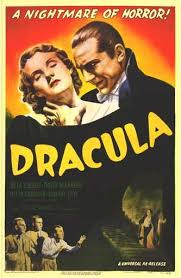
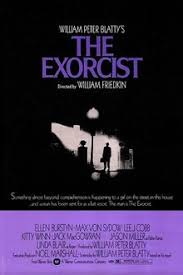
Supernatural Horror - The Exorcist (1973): Slasher Horror - Halloween (1978): "Often considered one of the scariest films ever made, The Exorcist delves into demonic possession, a staple of supernatural horror. Its shocking imagery, including the possessed child and religious themes, had a lasting impact on audiences and set a high standard for fear-driven storytelling."


Psychological Horror - The Shining (1980): "This film introduced the now-iconic masked killer, Michael Myers, and established many conventions of the slasher genre: a relentless villain, teenage victims, and suspenseful sequences. Halloween was also pivotal in popularizing the "final girl" trope, with a single female survivor facing the killer in a climactic battle."


Found Footage Horror - The Blair Witch Project (1999): 


Zombie Horror - 28 Days Later (2002): 


Body Horror - The Fly (1986):


Gothic Horror - Dracula (1931):


Haunted House Horror - Poltergeist (1982): 


Thursday, October 17, 2024

Blog posting - Representation


  The hit Netflix series "Outer Banks" explores the distinctions between the working-class "Pogues" and the prosperous "Kooks." The show's portrayal of these two social groups. Two main characters, John B. and Sarah Cameron, represent these social differences, but their stories also challenge the stereotypes of each class. Outer Banks explores themes of privilege, rebellion, and the struggle to overcome societal barriers through its characters.

  John B, the leader of the Pogues, A poor, orphaned teen with a taste for adventure, his character is defined by perseverance and a desire for justice. His character captures the struggles of working-class youth attempting to navigate a world of hardship and limited opportunities. John's quest to discover the truth about his father's disappearance and locate a hidden treasure represents his desire to be free of the constraints of his social class. Visually, the show contrasts his life.

 Sarah Cameron, on the other hand, is a symbol of the Kook class, but obstacles in her life challenge this. She appears to be a normal girl at first, taking pleasure in the perks of her position. Sarah rejects her family's wealth and corruption, though, and joins the Pogues as a result of her discontent with the other party. Her character growth is a reflection of the show's larger critique of expectations-defying behavior and class fluidity. The next picture, which shows John B. and Sarah escaping danger, perfectly expresses their friendship and defiance of social norms.


Thursday, October 10, 2024

Blog posting - Sound

 In our recent lesson on sound, it talked about the fundamentals of audio design and how it influences storytelling. The lesson covered key elements like the role of diegetic vs. non-diegetic sound, how sound effects create a mood, and how music and silence can enhance emotional impact. It also talked about "foley sounds" and how they can be to enhance the auditory experience of a film.

 Our objective for this project was to tell a story through sound effects and other auditory techniques. While doing this project, we created a brainstorming sheet to help us understand what scene to do. The scene had to be made up of action that would occur in a literal 1-2 minute timespan. Then we had to create an outline that explains each sound and how it will be used in the project. We were only allowed 7 words for the whole scene. We were able to use online sound effects and at least four of the sound effects utilized must be created by using random objects. This is basically what we had to do and our directions for the project.

 My approach to the project was very unique. For the brainstorming my partner and I had just been throwing ideas up in the air until we found one we believed sounded good. Once we had found the right idea the outline was fairly easy. We made two columns one for the scene or part of the story and one for the sound. After recording the story my partner and I used the PremiereRush app because we felt it was the easiest to use and navigate.

 I believe the way we organized our outline really helped in filming and editing this project. Next time I hope to do better in creating the sound we used and how we utilized them.

Soundscape: LemoineChakrarodi_soundscape_per1

Foley sounds: LemoineChakrodi_foley_per1

VIDEO LINKS

  “AIRBALL” film opening CCR #1 CCR #2